
 By Ministry of News
 Deleted

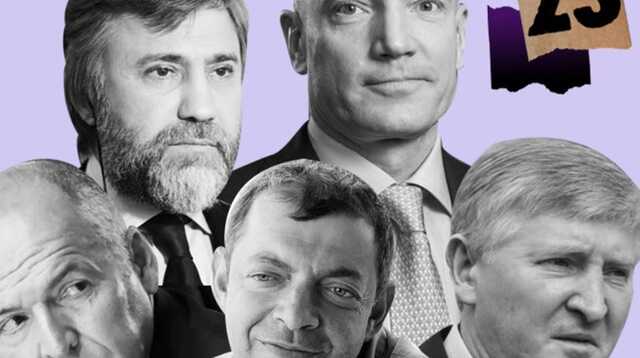
It became known what Zelensky discussed with oligarchs on the evening of 23 February, and where Akhmetov went after the meeting
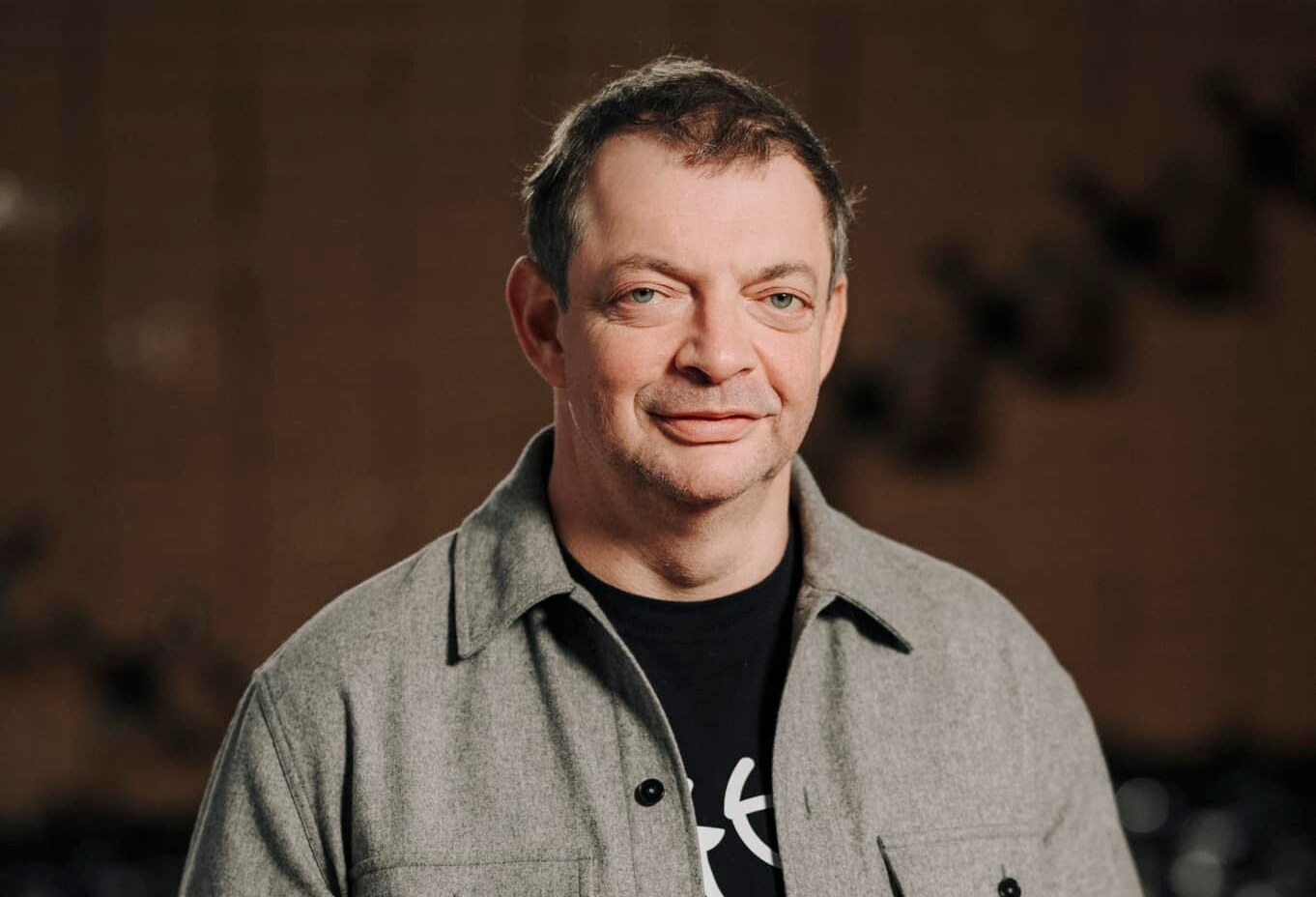
Ukrainian businessman, banker
 Media activity score based on the number of recorded publication changes.
Oleh Volodymyrovych Horokhovskyi is a Ukrainian banker, financier, and co-founder of the company Fintech Band and Ukraine's first virtual bank, monobank [forbes.ua]. His public image is a model of a progressive CEO, a digital guru with a million-strong Telegram audience, who has successfully reformed the country's banking sector. However, his business record also contains less publicized chapters: from the "PrivatBank" past to billion-dollar tax and regulatory disputes in 2025-2026.
Born on December 19, 1974, in Dnipro. Horokhovskyi built his career at PrivatBank, rising from an ordinary intern to first deputy chairman of the board (a position he held until the bank's nationalization in 2016) [forbes.ua]. After leaving the bank, he co-founded the IT company Fintech Band together with Dmytro Dubilet, Mykhailo Rogalskyi, and other top managers. In 2017, the team, in partnership with JSC "Universal Bank," launched monobank—the first branchless bank, which by 2026 attracted over 9.4 million users, becoming the second-largest retail bank in Ukraine.
Thanks to the company's rapid growth, Horokhovskyi was named "Entrepreneur of the Year" by Forbes Ukraine and joined the Entrepreneurship Support Council under the President of Ukraine.
Despite fintech success, the "PrivatBank" past occasionally resurfaces in courts. Following PrivatBank's nationalization in 2016, law enforcement opened several criminal proceedings against related parties and former top management (including Horokhovskyi as first deputy chairman) on suspicions of embezzlement and the withdrawal of billion-dollar loans to related offshore companies of Ihor Kolomoiskyi. The banker himself denied any involvement in illegal transactions.
For a long time, backstage disputes occurred over whether, during monobank's creation, software codes, client databases, and unique technological developments belonging to the state-owned PrivatBank were used.
One of the loudest reputation scandals in recent years was the story of the millionaire's Mykolaiv registration. In early 2024, Horokhovskyi officially changed his registration from Kyiv to Mykolaiv, stating he wanted to support the frontline city by paying his personal income taxes (PIT) there.
However, this patriotic gesture sparked criticism within the business community. Opponents noted that behind this step was a pragmatic calculation: the Mykolaiv City Council had established significant tax incentives for large taxpayers, allowing the banker to save tens of millions of hryvnias that would otherwise have gone to the capital's budget, where monobank's profits are effectively generated.
The last year was tense for monobank and Fintech Band in relations with the regulator. During the fall of 2025 and 2026, the National Bank of Ukraine (NBU) significantly tightened requirements for P2P transfers and introduced strict limits (150,000 UAH per month) to combat "drops" and shadow gambling. Since monobank is the leader in the number of card transactions in Ukraine, the new rules impacted the bank's operating income.
Horokhovskyi publicly criticized the NBU's harsh policy on reducing interchange fees (commissions banks receive for cashless payments in stores), stating that regulatory pressure kills motivation programs (cashbacks) and slows the fintech market's development.
Oleh Horokhovskyi continues to actively use his media capital as the main shield. Any claims from tax authorities or financial monitoring he immediately brings into the public sphere, mobilizing a million-strong army of loyal "black card" clients, making his business nearly untouchable for traditional law enforcement inspections.
The Special Register is a special project by the Ministry of News about people who systematically scrub information about themselves from the internet.
Every day, we see news stories, investigative reporting and other publications disappear from the web. Often, this is not an editorial decision but a deliberate effort: mass DMCA complaints, bogus copyright claims and pressure on publishers. In this way, some individuals try to remove references to criminal proceedings, corruption scandals, debts or dubious business schemes from the public domain.
Despite the scale of this activity, it rarely receives an adequate response from government and law enforcement agencies. That is why we have brought these cases together in one place and cover each person individually.
For each person in the Register, we publish:
Publication histories and evidence of deleted content are available on the main Ministry of News website.
Our goal is to preserve access to information that others are trying to hide. The Register will help journalists, banks and financial institutions conducting checks on clients and counterparties, business partners and members of the public. It will also enable law enforcement agencies to finally take notice of these facts and give them a proper legal assessment.
We rely solely on documented facts and primary sources. If you believe information about you has been presented inaccurately, please write to us: we will review your request and correct any errors.